

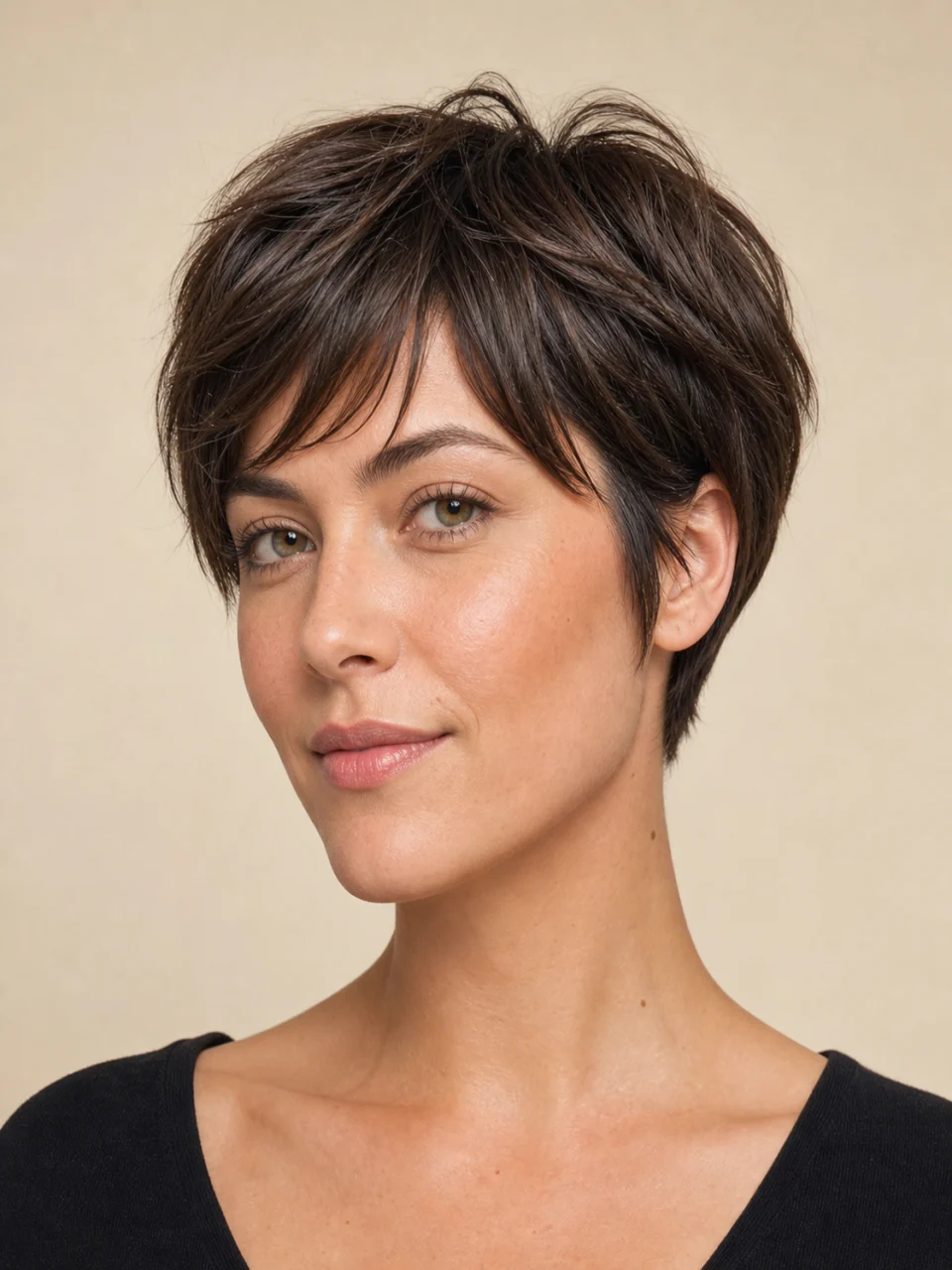
Hairstyle comparison

Curtain Fringe vs Bixie Cut: What Is the Difference?

Compare the Curtain Fringe and Bixie Cut by length, shape, finish, maintenance, salon wording, and how each changes your overall outline.

Published 10 August 2026

Example of the Curtain Fringe hairstyle
ExampleCurtain Fringe
Example of the Bixie Cut hairstyle
ExampleBixie Cut

The short version

The Curtain Fringe is defined by a centre opening with cheekbone-skimming, face-framing pieces, while the Bixie Cut uses a cropped bob outline with pixie-like lightness and texture.

Both are rated medium for maintenance in this guide, so the stronger distinction is soft and face-framing versus compact and layered.

FeatureCurtain FringeBixie Cut
Signaturea centre opening with cheekbone-skimming, face-framing piecesa cropped bob outline with pixie-like lightness and texture
Lengthmediumshort
Shapesoft and face-framingcompact and layered
Finishairytextured
Maintenancemediummedium

Curtain Fringe

Choose this direction if...

You prefer a soft and face-framing outline with a airy finish and the defining feature of a centre opening with cheekbone-skimming, face-framing pieces.

Salon wording: Ask for a centre-parted fringe that opens around the eyes and blends gradually into face-framing layers.

Bixie Cut

Choose this direction if...

You prefer a compact and layered outline with a textured finish and the defining feature of a cropped bob outline with pixie-like lightness and texture.

Salon wording: Ask for a pixie-bob hybrid with soft tapered edges, layered movement through the top, and enough length to avoid a close crop.

Keep comparing

Related hairstyle comparisons

Hair Mirror

These informational guides are generated from Hair Mirror's structured hairstyle catalog and published automatically. They are not professional hair-care advice.