
Hairstyle comparison

Long Waves vs Classic Pixie Cut: What Is the Difference?

Compare the Long Waves and Classic Pixie Cut by length, shape, finish, maintenance, salon wording, and how each changes your overall outline.

Published 16 September 2026

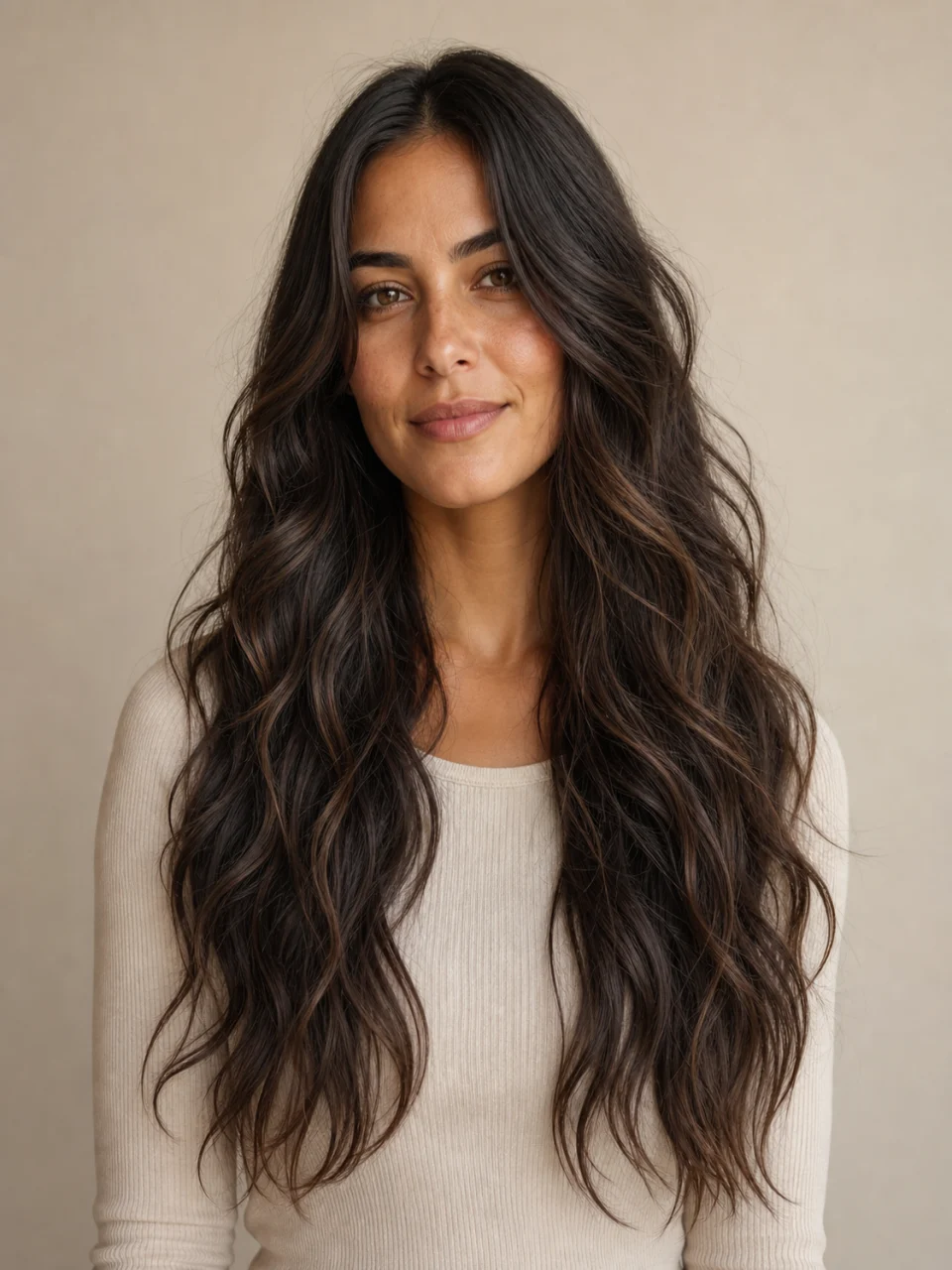
Example of the Long Waves hairstyle
ExampleLong Waves
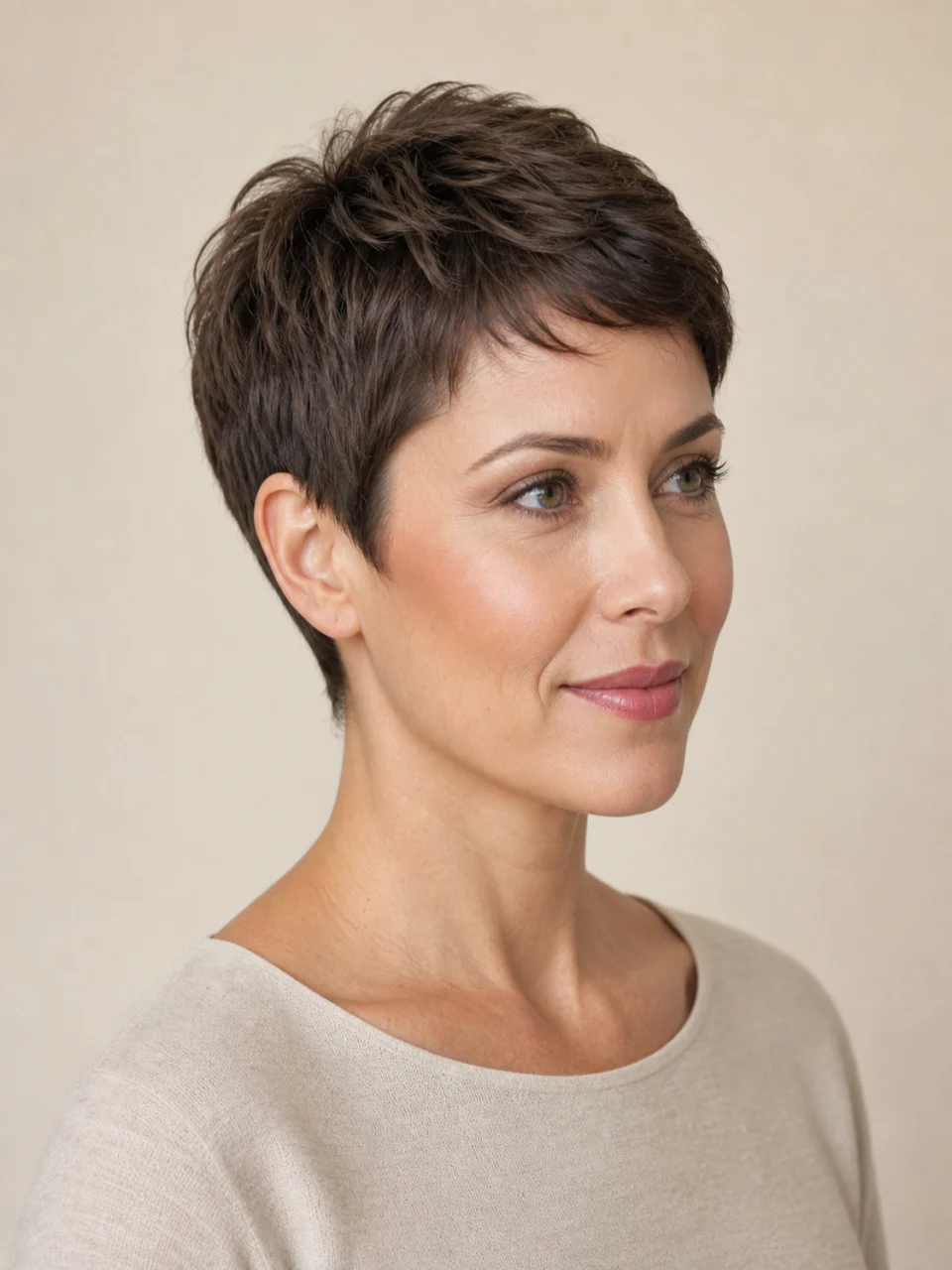
Example of the Classic Pixie Cut hairstyle
ExampleClassic Pixie Cut

The short version

The Long Waves is defined by long length shaped by loose, continuous bends, while the Classic Pixie Cut uses close tapered edges with softly layered length through the crown.

Both are rated medium for maintenance in this guide, so the stronger distinction is flowing and elongated versus close and softly layered.

FeatureLong WavesClassic Pixie Cut
Signaturelong length shaped by loose, continuous bendsclose tapered edges with softly layered length through the crown
Lengthlongvery short
Shapeflowing and elongatedclose and softly layered
Finishwavynatural
Maintenancemediummedium

Long Waves

Choose this direction if...

You prefer a flowing and elongated outline with a wavy finish and the defining feature of long length shaped by loose, continuous bends.

Salon wording: Ask to preserve the overall length while adding enough long layering to stop the waves from forming one heavy block.

Classic Pixie Cut

Choose this direction if...

You prefer a close and softly layered outline with a natural finish and the defining feature of close tapered edges with softly layered length through the crown.

Salon wording: Ask for a softly tapered pixie with enough crown length to move naturally, then agree on how closely the ears and neckline should be shaped.

Keep comparing

Related hairstyle comparisons

Hair Mirror

These informational guides are generated from Hair Mirror's structured hairstyle catalog and published automatically. They are not professional hair-care advice.