long · braided
Box Braids
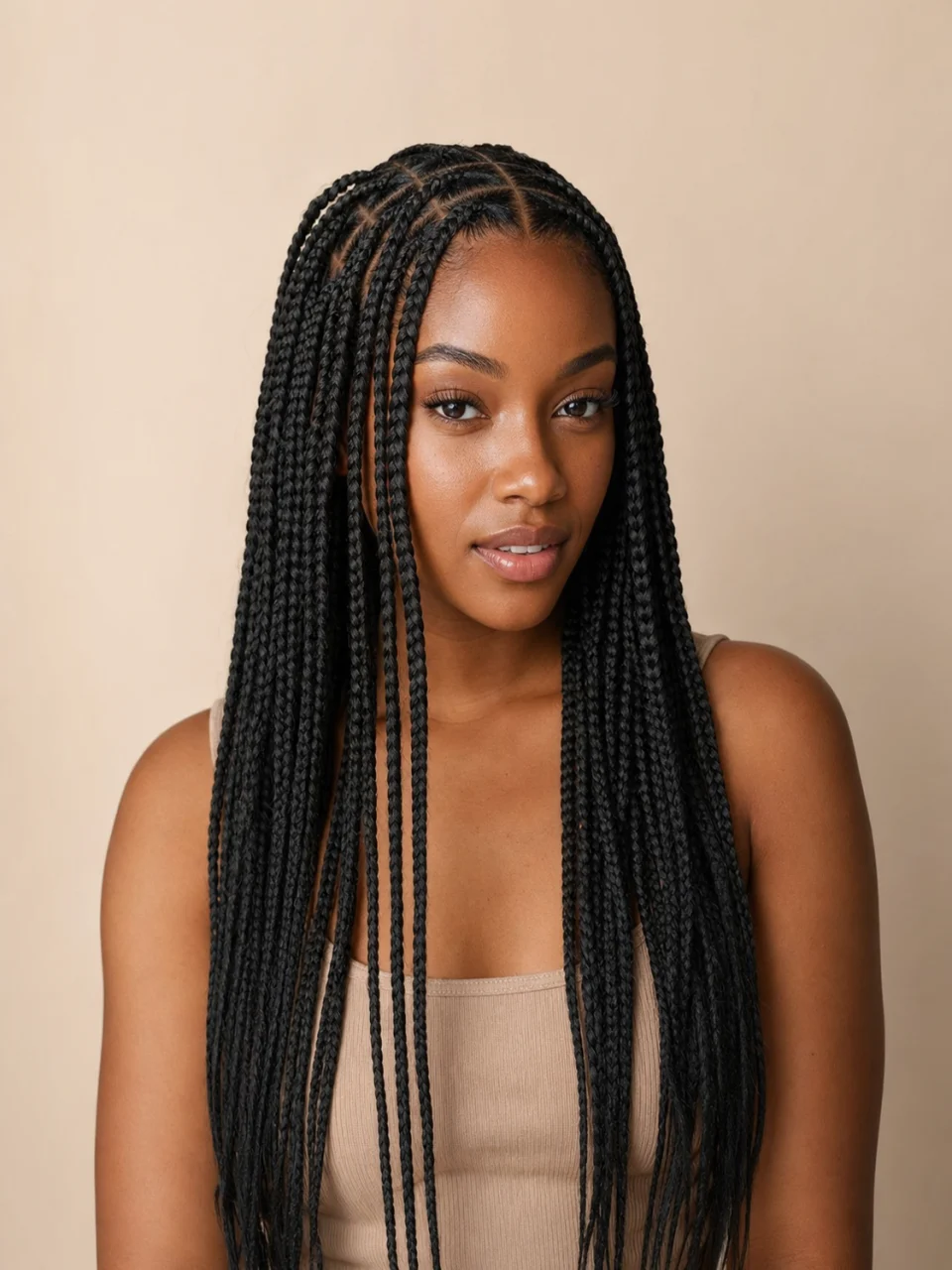
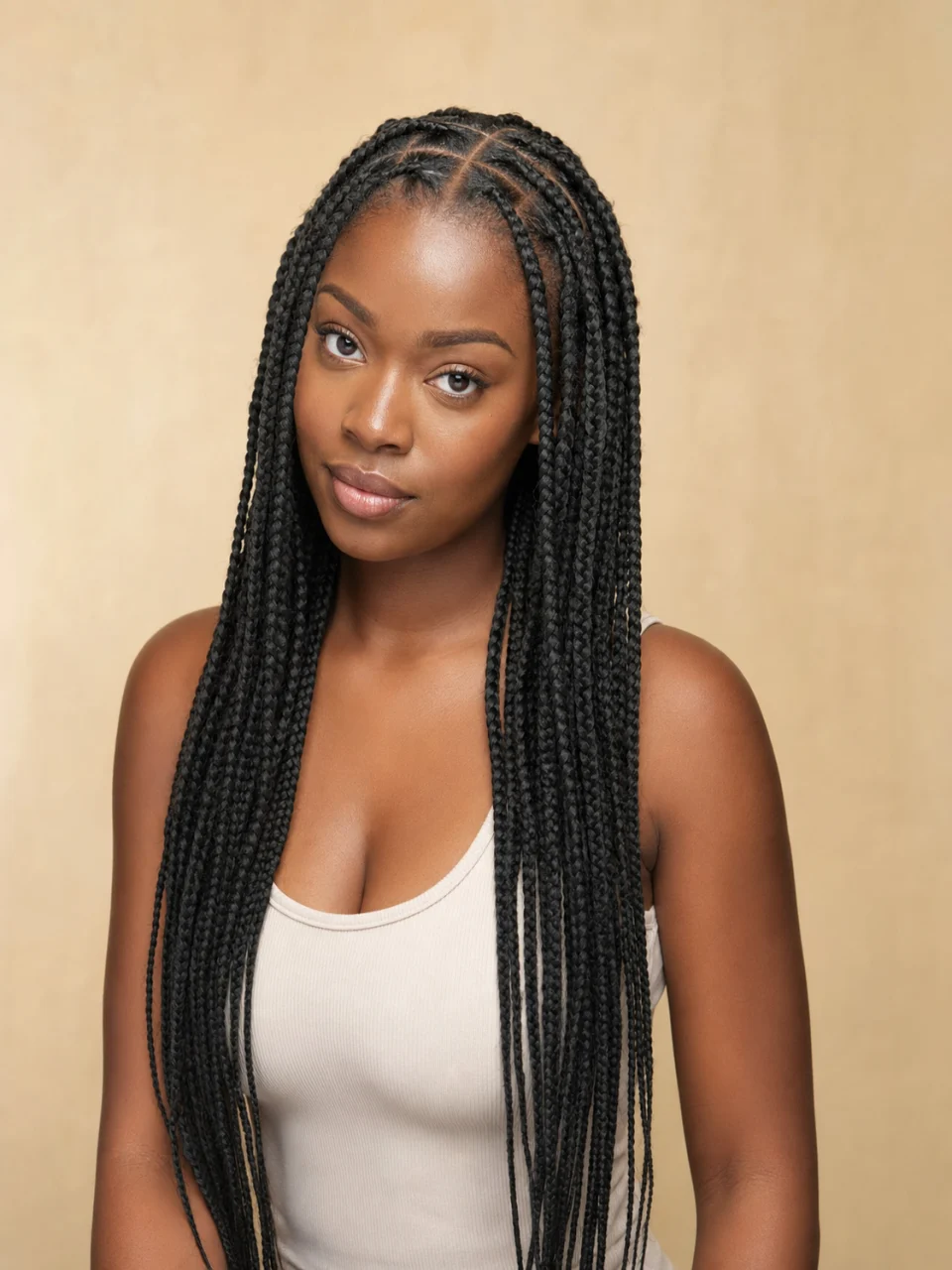
Box braids divide the hair into clean sections before forming individual braids, producing a defined pattern with substantial styling versatility.
Hairstyle collection
Compare box and knotless braids, cornrows, Dutch braids, locs, and two-strand twists by roots, pattern, movement, and length.
Published 5 August 2026
Section-based styles differ in how they begin at the root, follow the scalp, hang through the length, and distribute weight. Those differences affect both the silhouette and installation plan.
Compare the visible pattern and finished outline first, then discuss tension, weight, installation, starting condition, and upkeep with a suitable professional.
7 looks in this guide
long · braided
Box braids divide the hair into clean sections before forming individual braids, producing a defined pattern with substantial styling versatility.
long · braided
Knotless braids feed extension hair gradually into individual braids, producing a flatter root and flexible fall from visible sections.
close · braided
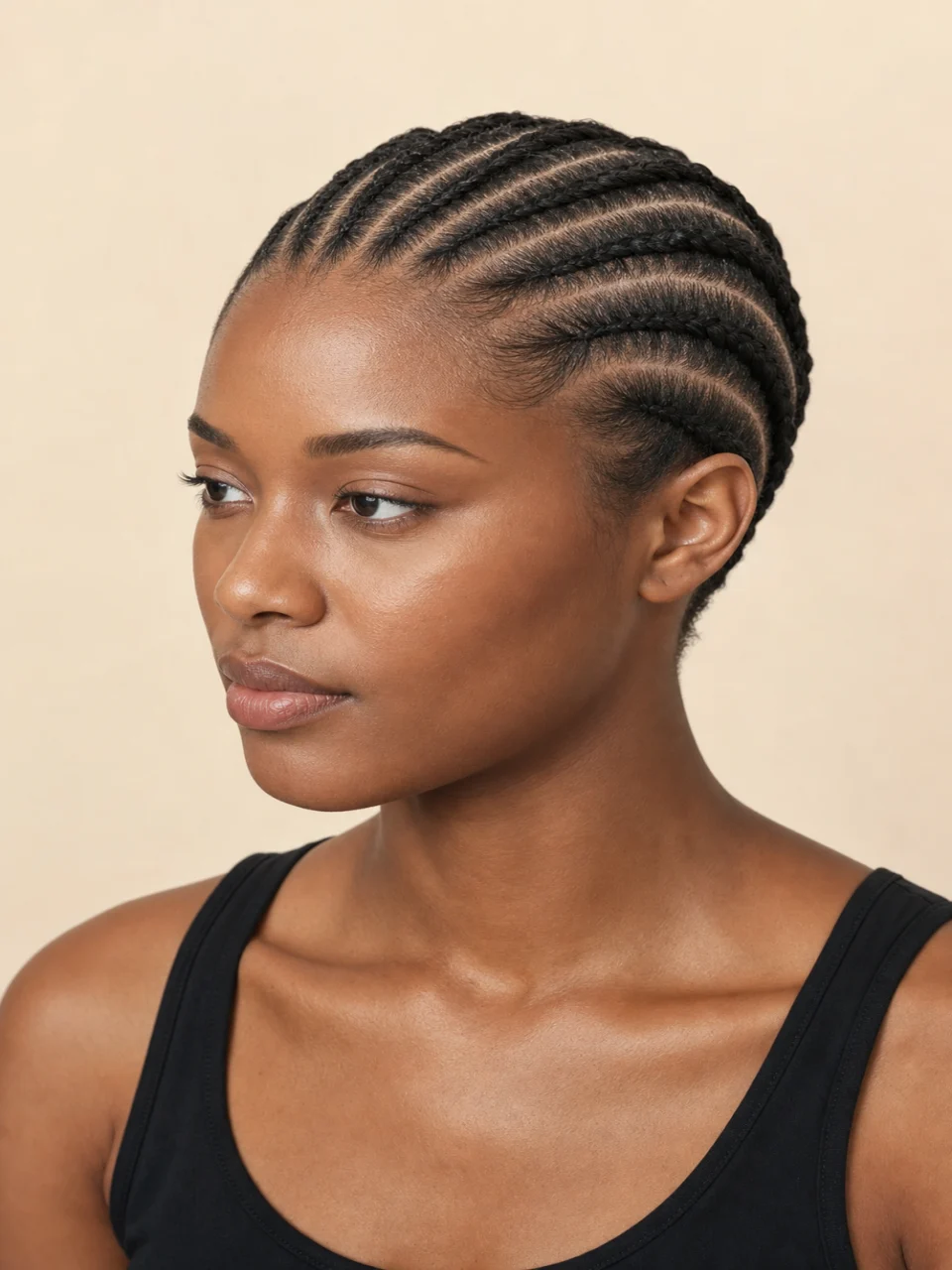
Cornrows braid the hair close to the scalp in visible rows, making the parting design and direction of each braid central to the finished look.
medium · braided
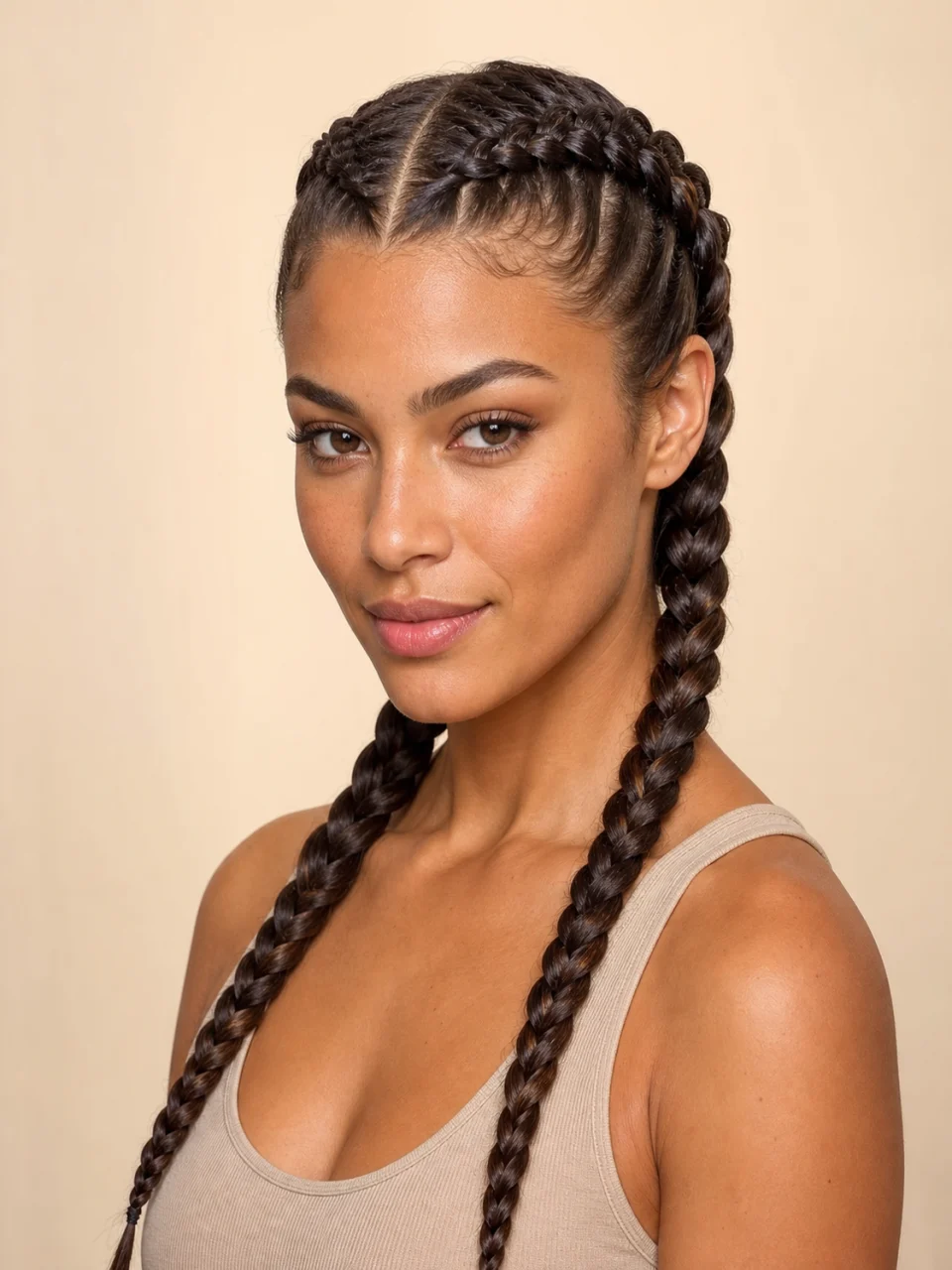
Dutch braids cross sections underneath so the braid sits visibly above the scalp, commonly forming two raised rows from hairline to nape.
long · locked
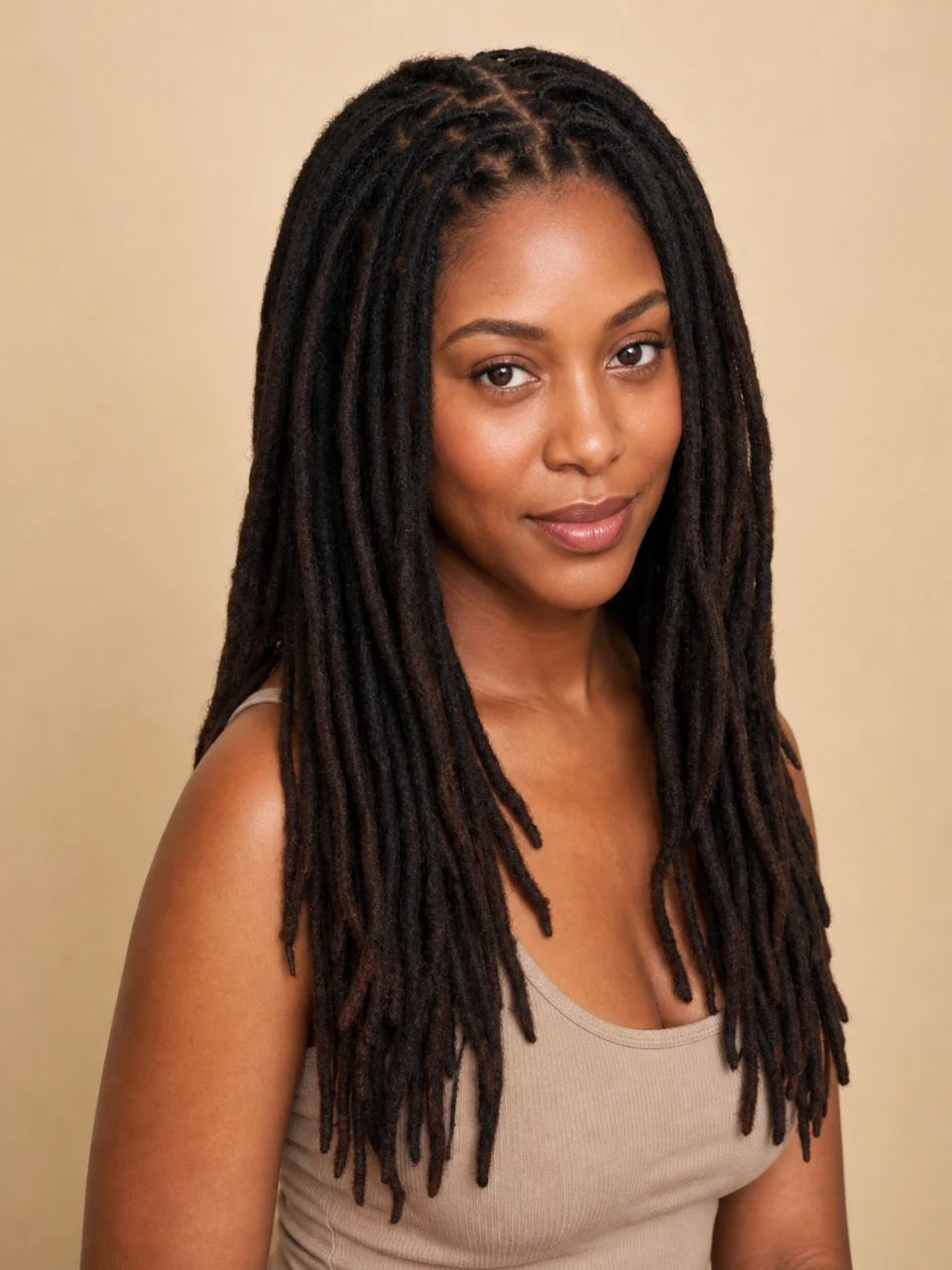
Classic locs form defined cylindrical sections that hang with individual weight and movement, creating a strong linear texture across the silhouette.
medium · twisted
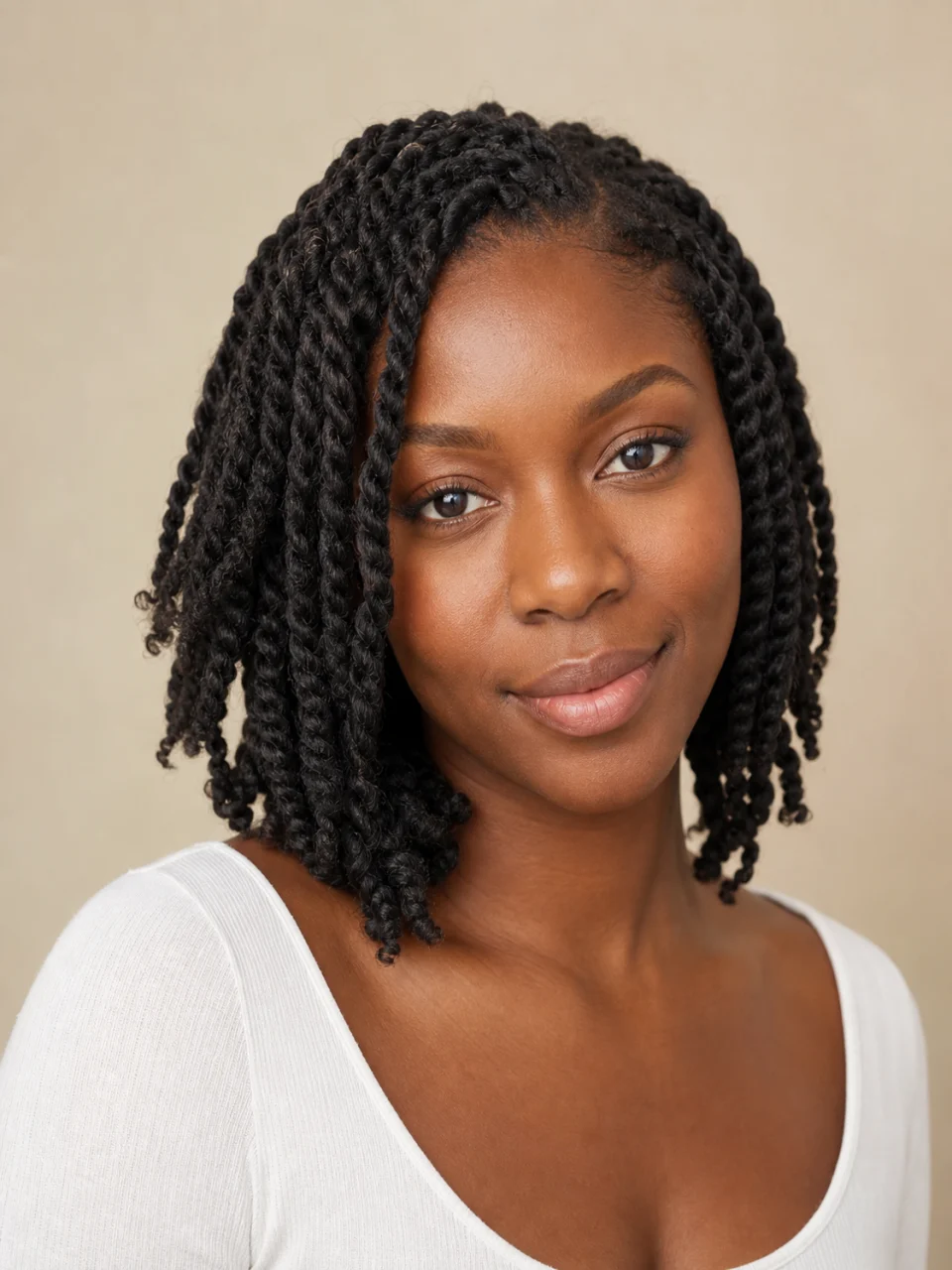
Two-strand twists wrap pairs of sections around each other, producing defined rope-like texture with more visible movement than close-to-scalp braiding.
close · coiled
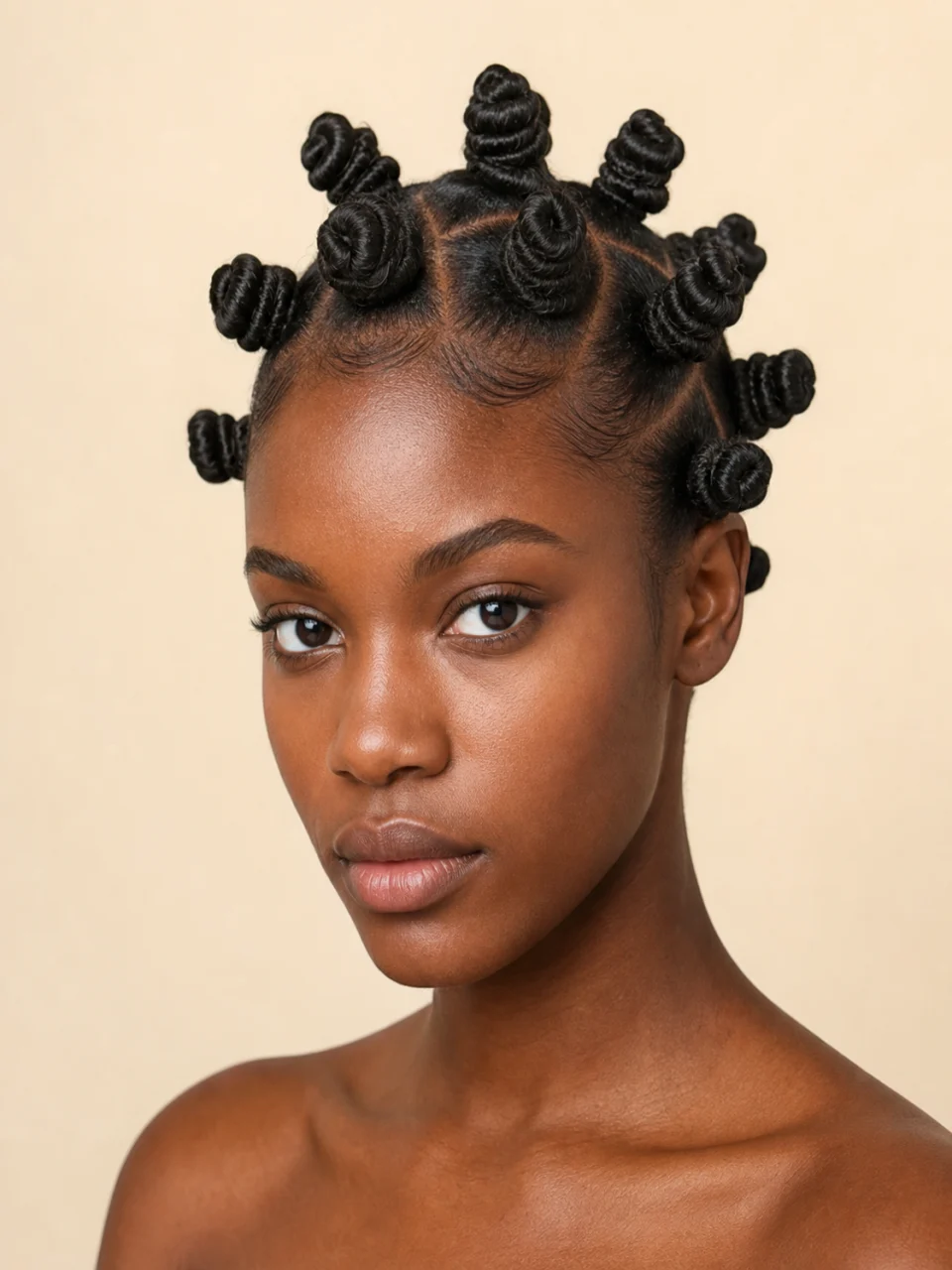
Bantu knots wrap divided sections into compact coils across the scalp, making the parting pattern and placement central to the finished silhouette.