
short · tapered
Low Taper
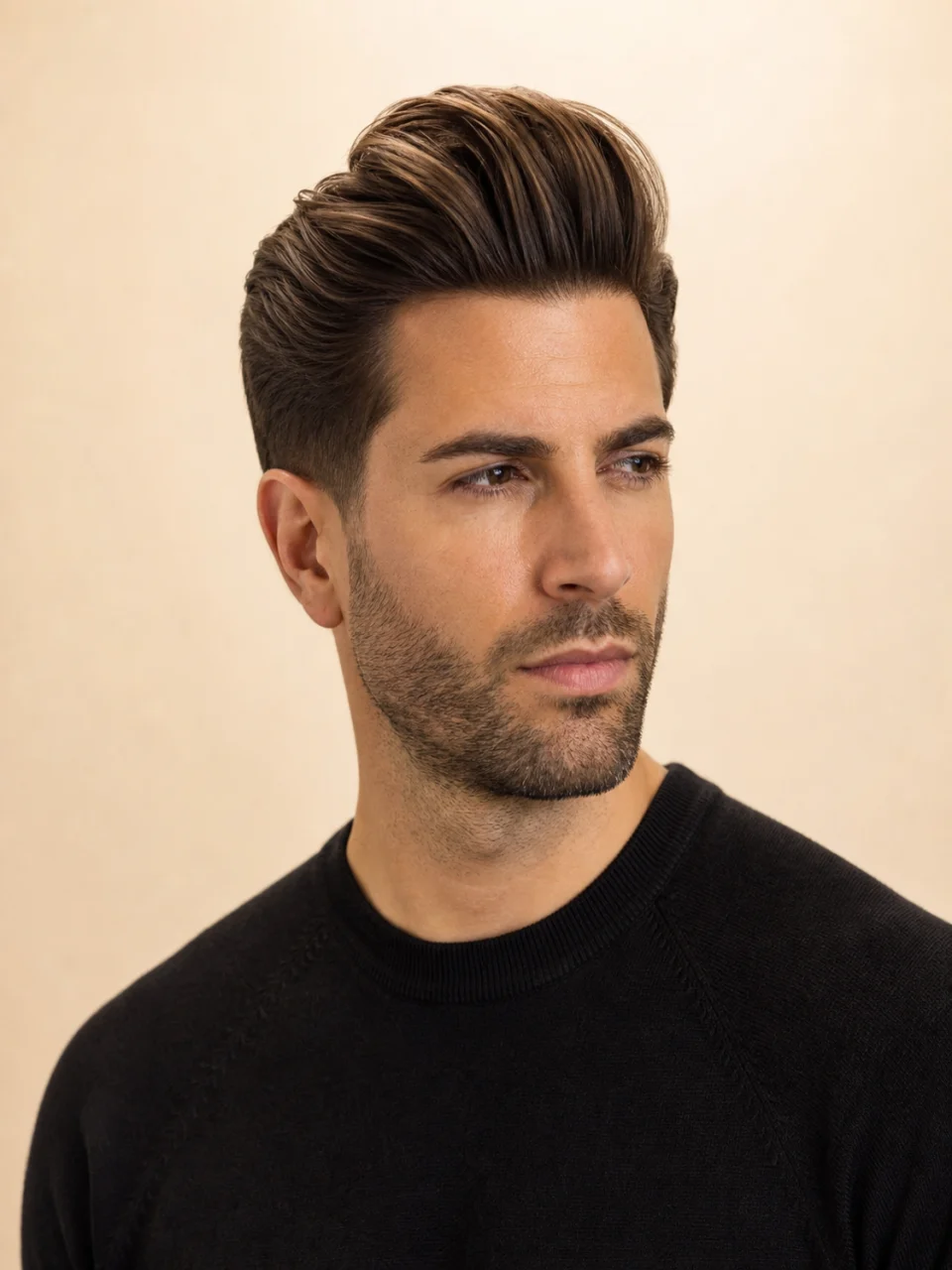
A low taper concentrates a subtle reduction of length around the sideburns and neckline while leaving most of the side profile intact.
Hairstyle guide
Explore the High Fade, defined by a close gradient positioned high on the sides of the head. Compare its shape, maintenance, salon wording, styling, and virtual try-on tips.
Published 18 July 2026
Quick answer
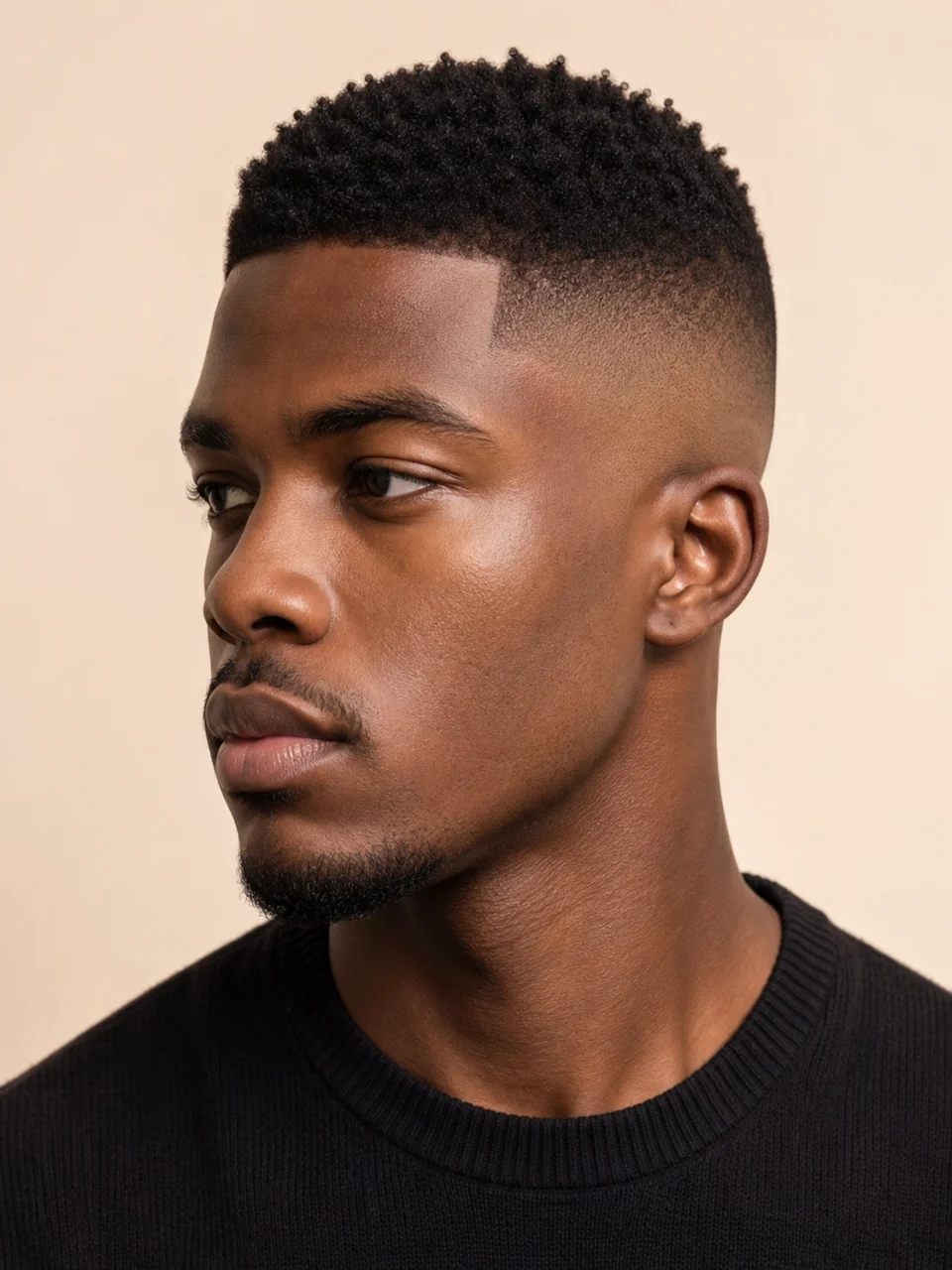
A high fade begins its transition well above the temples, creating strong contrast between close sides and the remaining top.
The defining feature is a close gradient positioned high on the sides of the head. That distinction is more useful than relying on the style name alone, since names can be interpreted differently between salons.
Ask for the fade to begin high above the temples and specify the shortest guard or skin finish plus the desired top length.
Bring a saved preview and clarify which parts of the generated result matter most to you. Your stylist can translate the reference for your current hair and practical routine.
Styling depends on the top, but the fade itself reads most clearly when its gradient and edges are kept fresh.
Maintenance labels are broad comparisons within this guide library. Your starting texture, chosen length, and preferred finish can change the real routine.
Choose a photo with unobstructed temples and sides so you can judge how high the transition changes the head shape.
Try the High FadeCompare nearby looks
short · tapered
A low taper concentrates a subtle reduction of length around the sideburns and neckline while leaving most of the side profile intact.
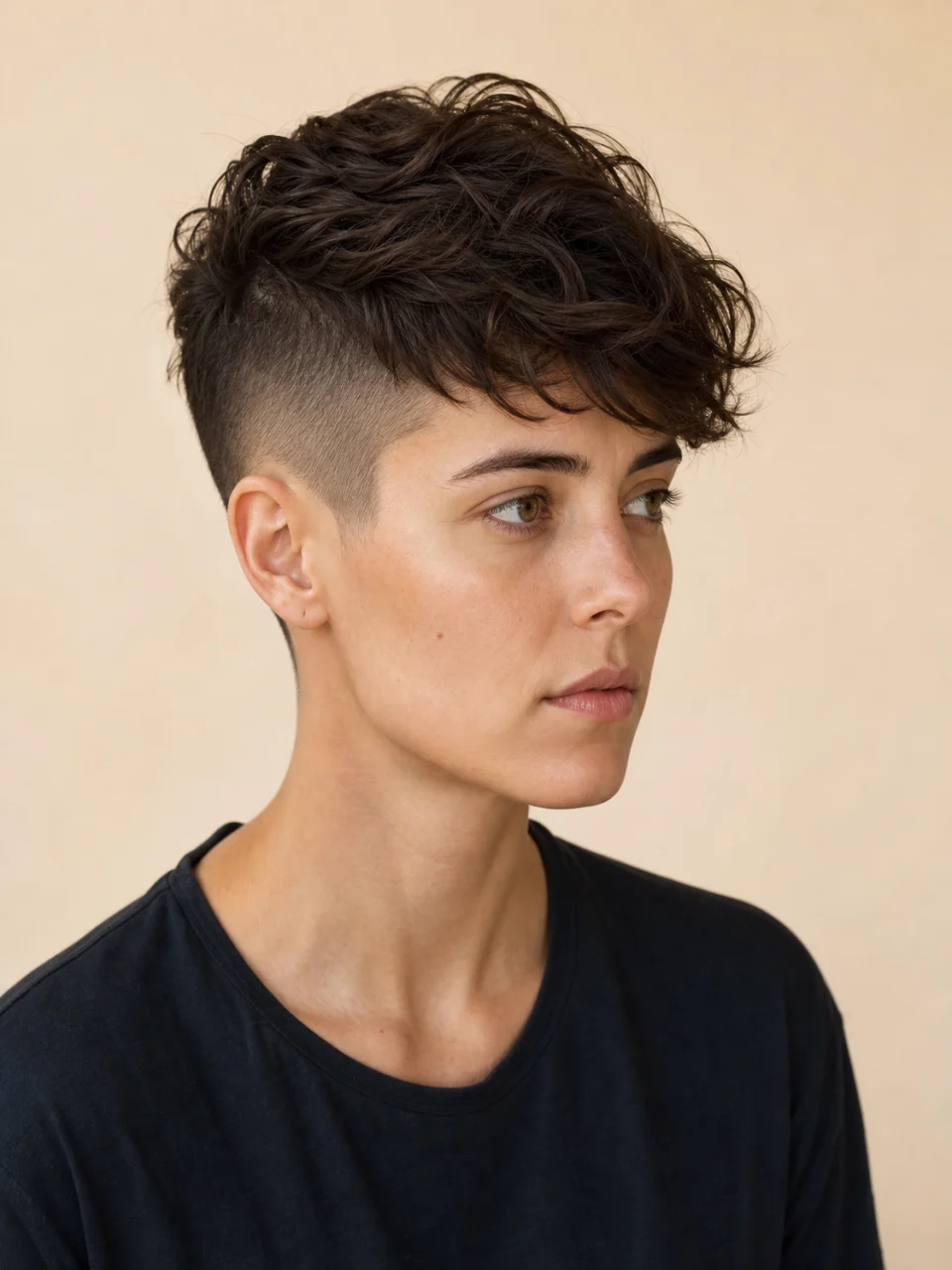
mixed · textured
An undercut removes substantial length from the sides or lower section while preserving a visibly longer top, creating clear structural contrast.
short · textured
A textured crop keeps the sides compact while leaving short, separated movement through the top for a deliberately piecey finish.
medium · sculpted
A pompadour builds height above the forehead and sweeps the top backward, supported by shorter or more controlled sides.
Compare the High Fade