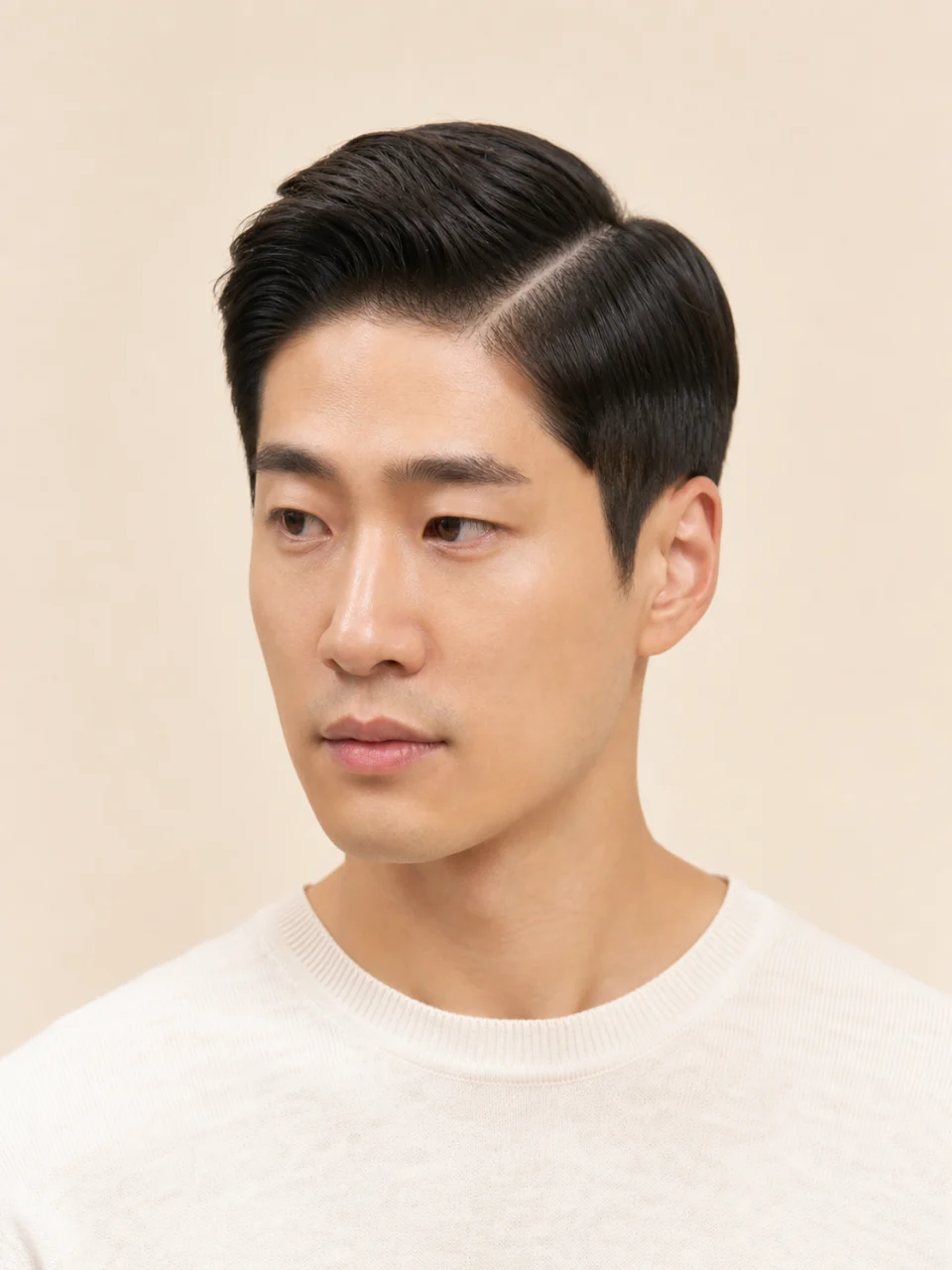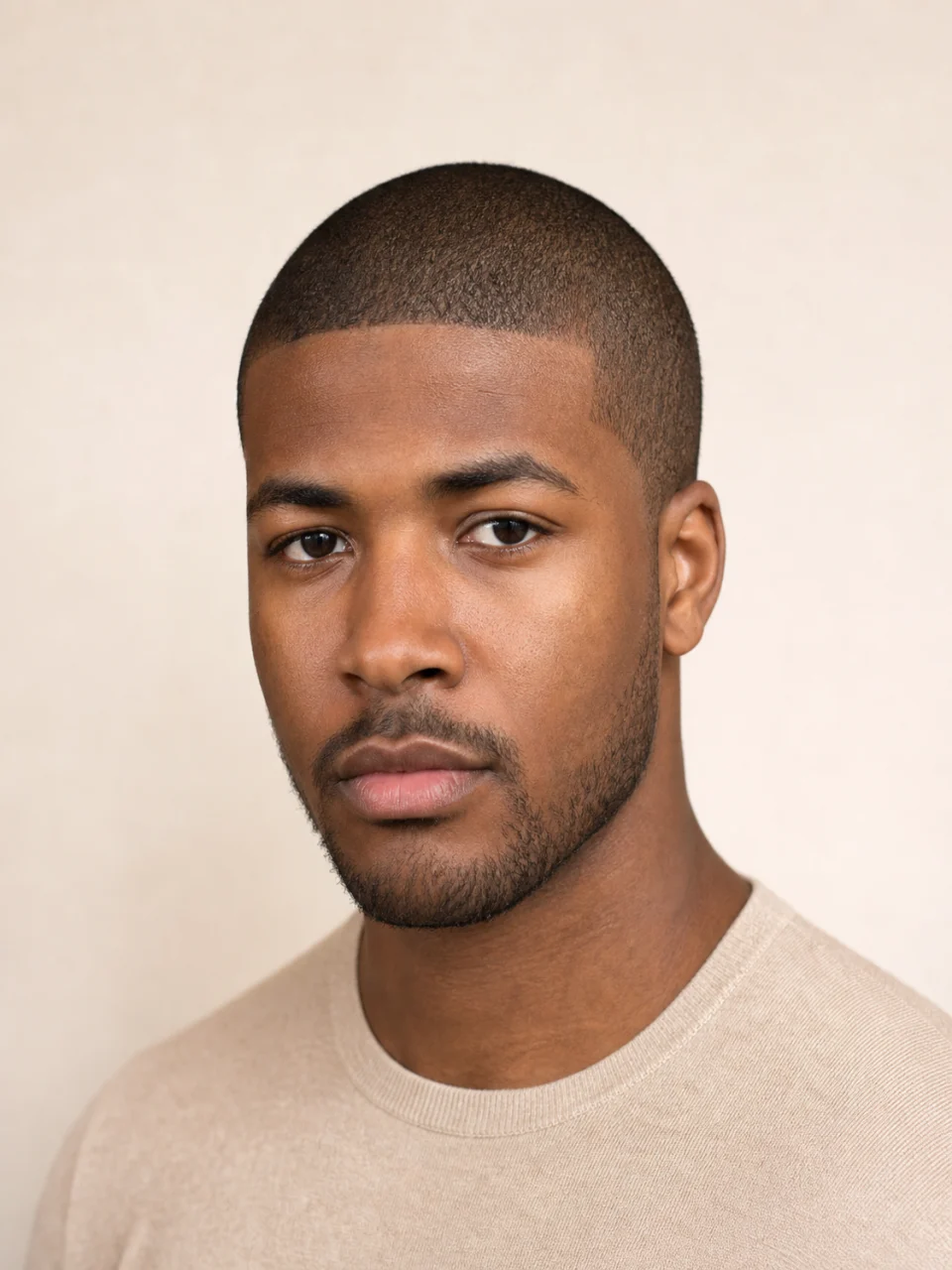
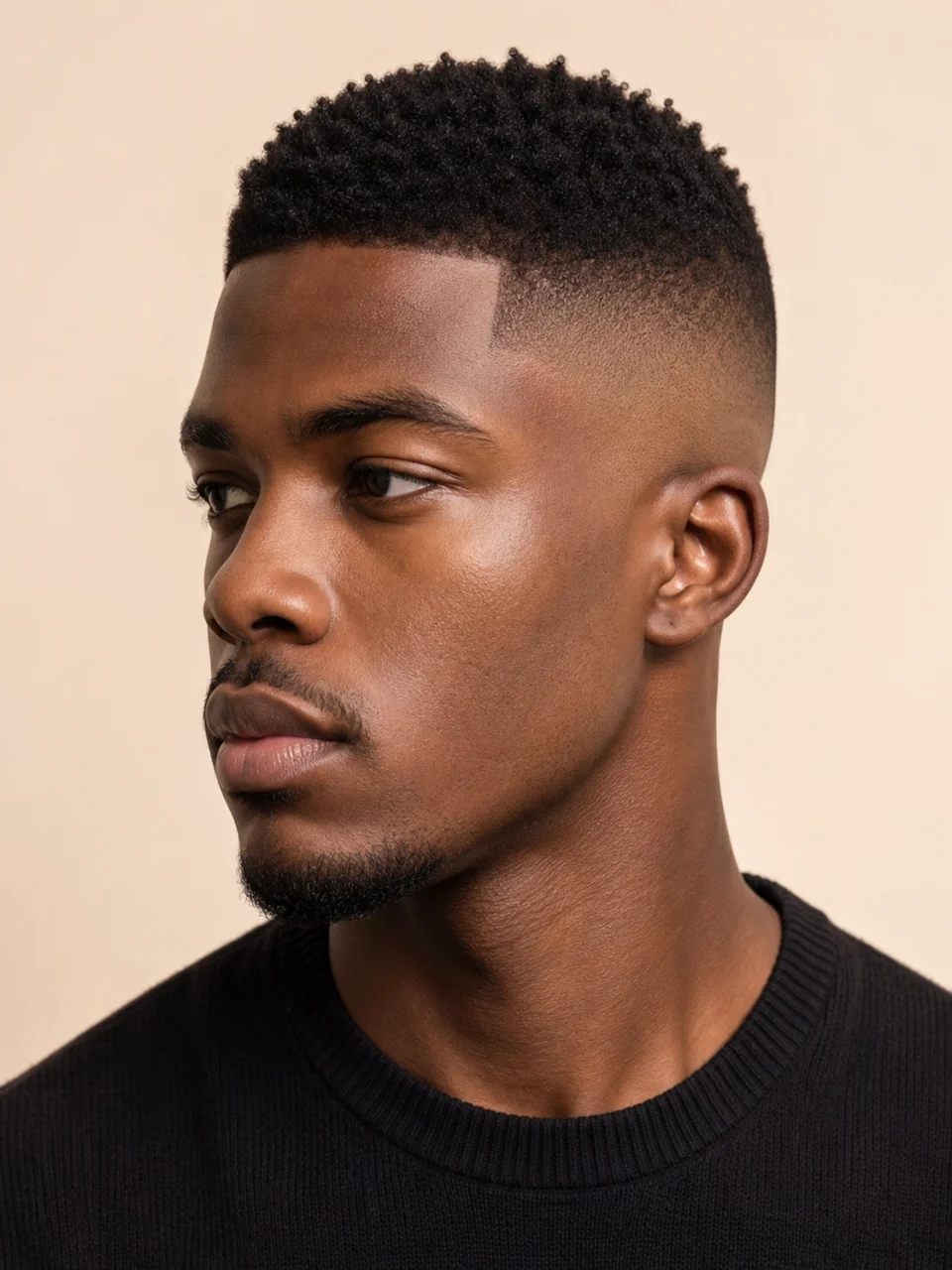
short · faded
High Fade
A high fade begins its transition well above the temples, creating strong contrast between close sides and the remaining top.
Hairstyle guide
Explore the Low Taper, defined by a restrained gradient limited to the lowest edges of the haircut. Compare its shape, maintenance, salon wording, styling, and virtual try-on tips.
Published 19 July 2026

Quick answer
A low taper concentrates a subtle reduction of length around the sideburns and neckline while leaving most of the side profile intact.
The defining feature is a restrained gradient limited to the lowest edges of the haircut. That distinction is more useful than relying on the style name alone, since names can be interpreted differently between salons.
Ask for a low taper around the sideburns and neckline without taking the fade high into the sides.
Bring a saved preview and clarify which parts of the generated result matter most to you. Your stylist can translate the reference for your current hair and practical routine.
The top can follow its existing texture or shape; the taper mainly provides a cleaner outline at the edges.
Maintenance labels are broad comparisons within this guide library. Your starting texture, chosen length, and preferred finish can change the real routine.
A clear front-facing image helps compare the subtle edge cleanup with more dramatic fade options.
Try the Low TaperCompare nearby looks
short · faded
A high fade begins its transition well above the temples, creating strong contrast between close sides and the remaining top.
short · classic
A classic side part establishes a clear dividing line and directs the top across the head with restrained, natural-looking volume.
short · textured
A textured crop keeps the sides compact while leaving short, separated movement through the top for a deliberately piecey finish.
very short · clean
A buzz cut reduces the hair to a short, even field, putting the head shape and facial features ahead of styling or movement.
Compare the Low Taper