
short · tapered
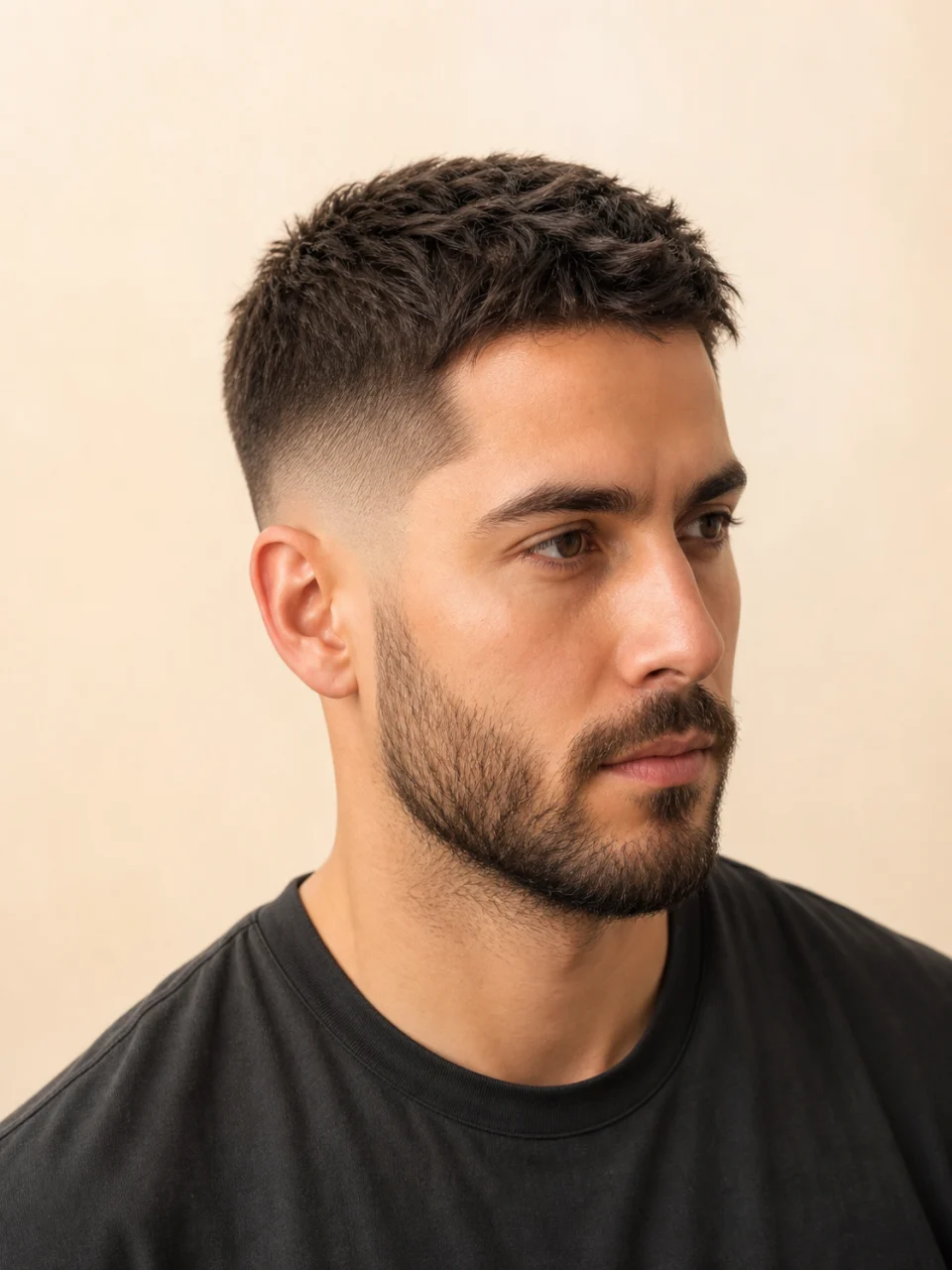
Low Taper
A low taper concentrates a subtle reduction of length around the sideburns and neckline while leaving most of the side profile intact.
Hairstyle collection
Compare low tapers, mid fades, high fades, and skin fades by placement, contrast, edge detail, and maintenance frequency.
Published 3 August 2026
A fade or taper changes where the sides become shortest and how much contrast appears against the top. Transition height can alter the full head shape even when the top remains similar.
Look at the temples and side profile first, then compare the shortest length and how quickly each option blends into the upper section.
5 looks in this guide
short · tapered
A low taper concentrates a subtle reduction of length around the sideburns and neckline while leaving most of the side profile intact.
short · faded
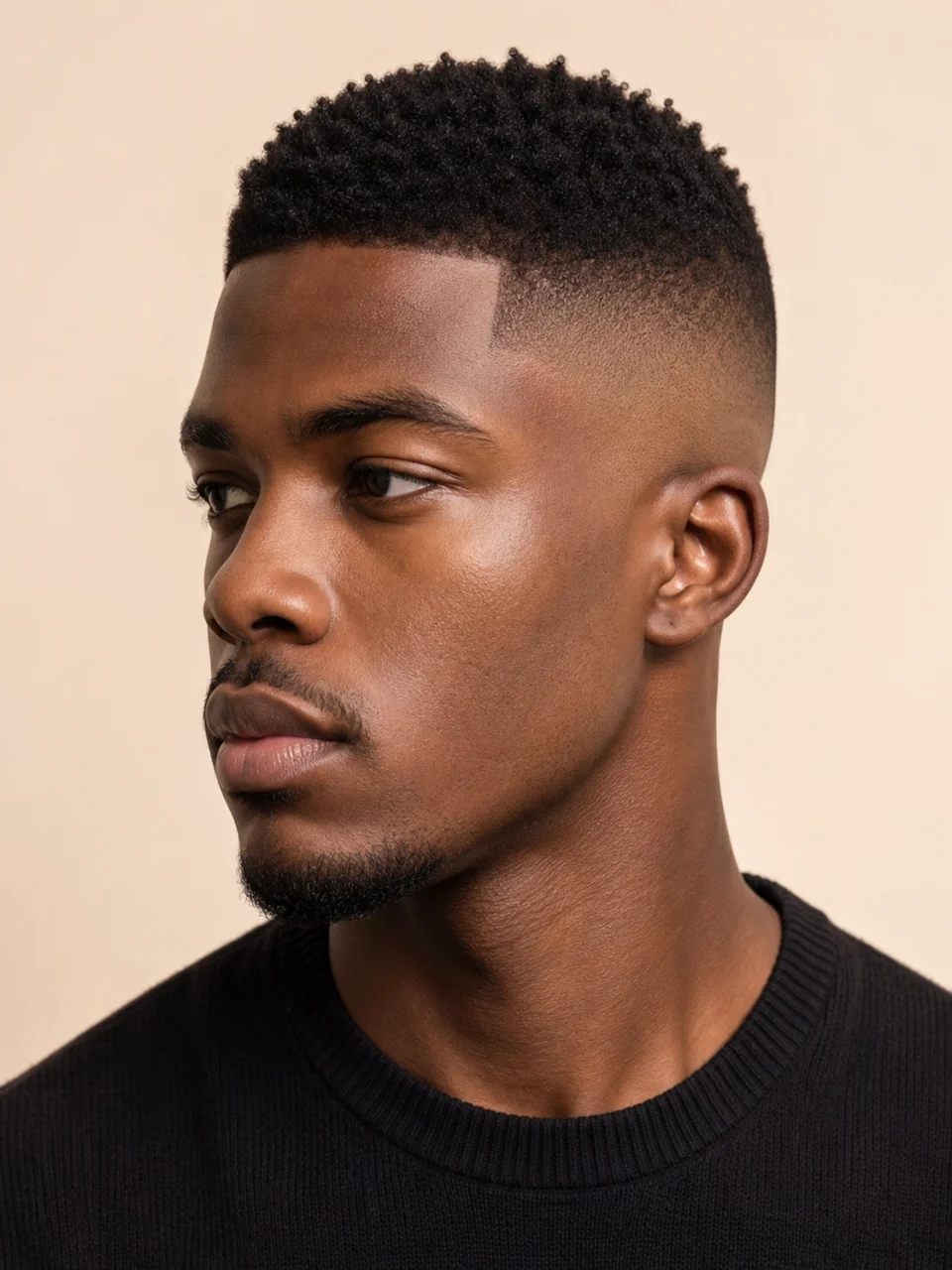
A mid fade places its shortest transition around the middle of the sides, balancing visible contrast with more coverage than a high fade.
short · faded
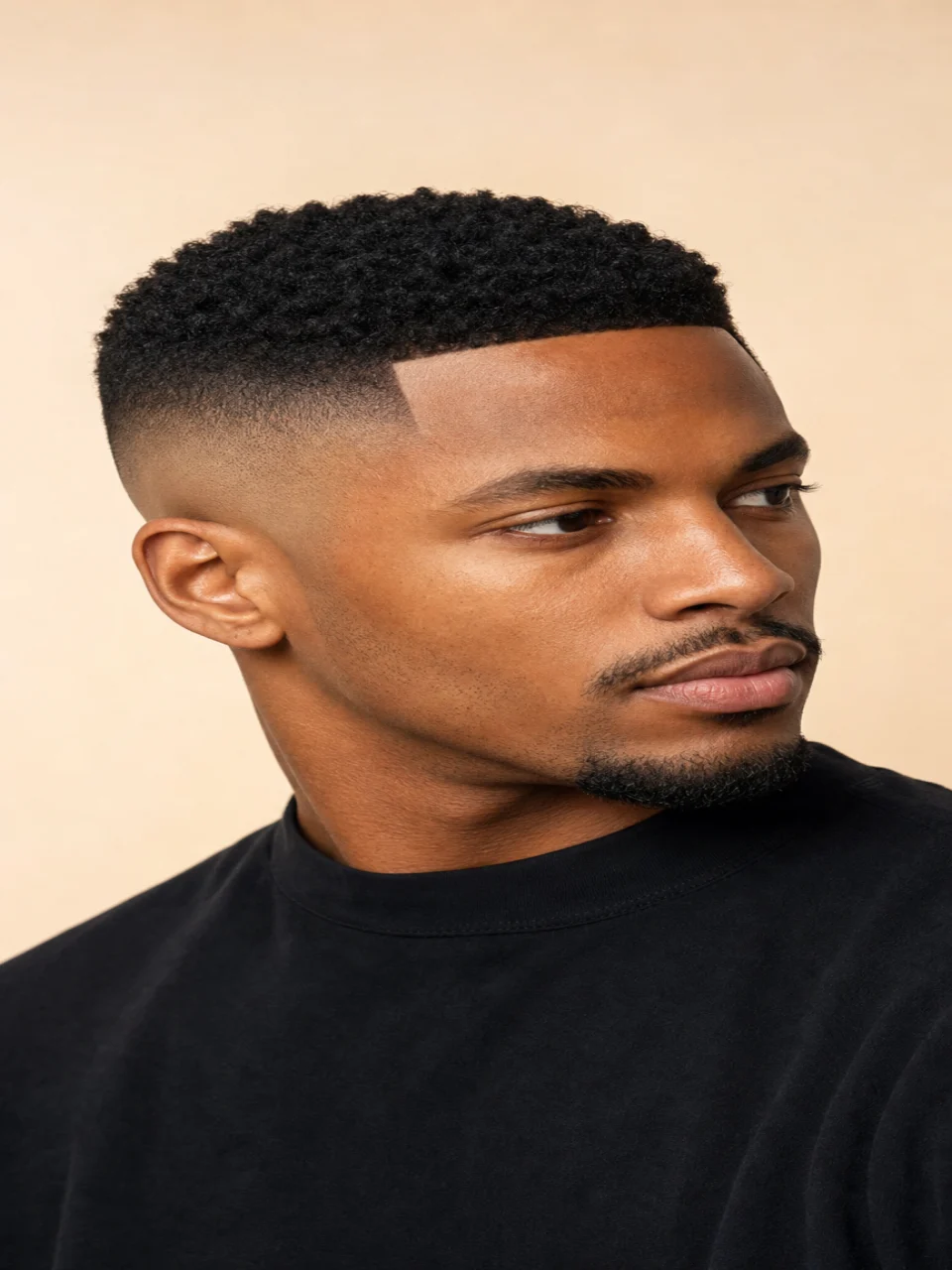
A high fade begins its transition well above the temples, creating strong contrast between close sides and the remaining top.
short · faded
A skin fade transitions the lower sides down to bare skin before blending upward, producing the strongest possible contrast at the edges.
mixed · textured
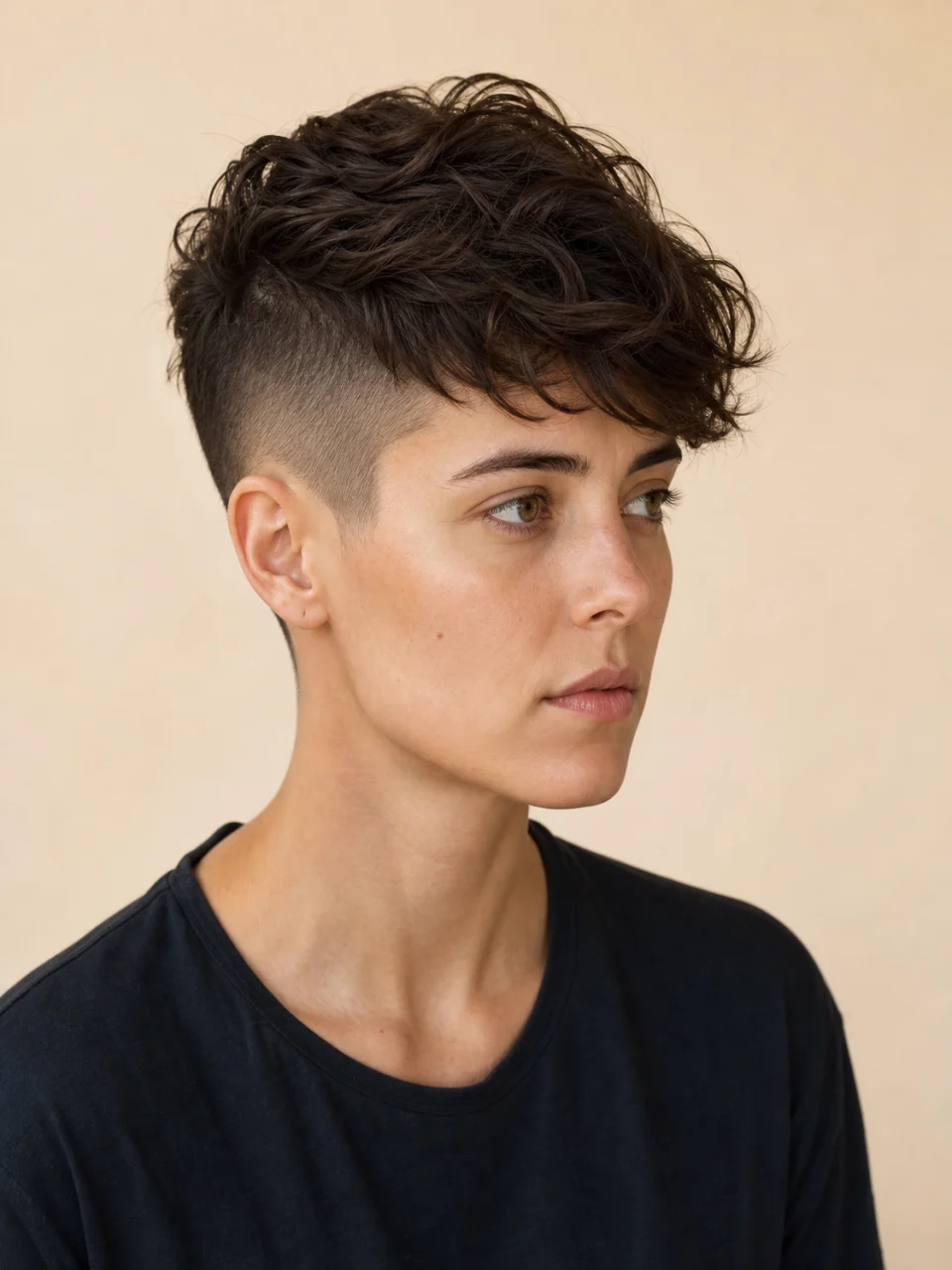
An undercut removes substantial length from the sides or lower section while preserving a visibly longer top, creating clear structural contrast.